
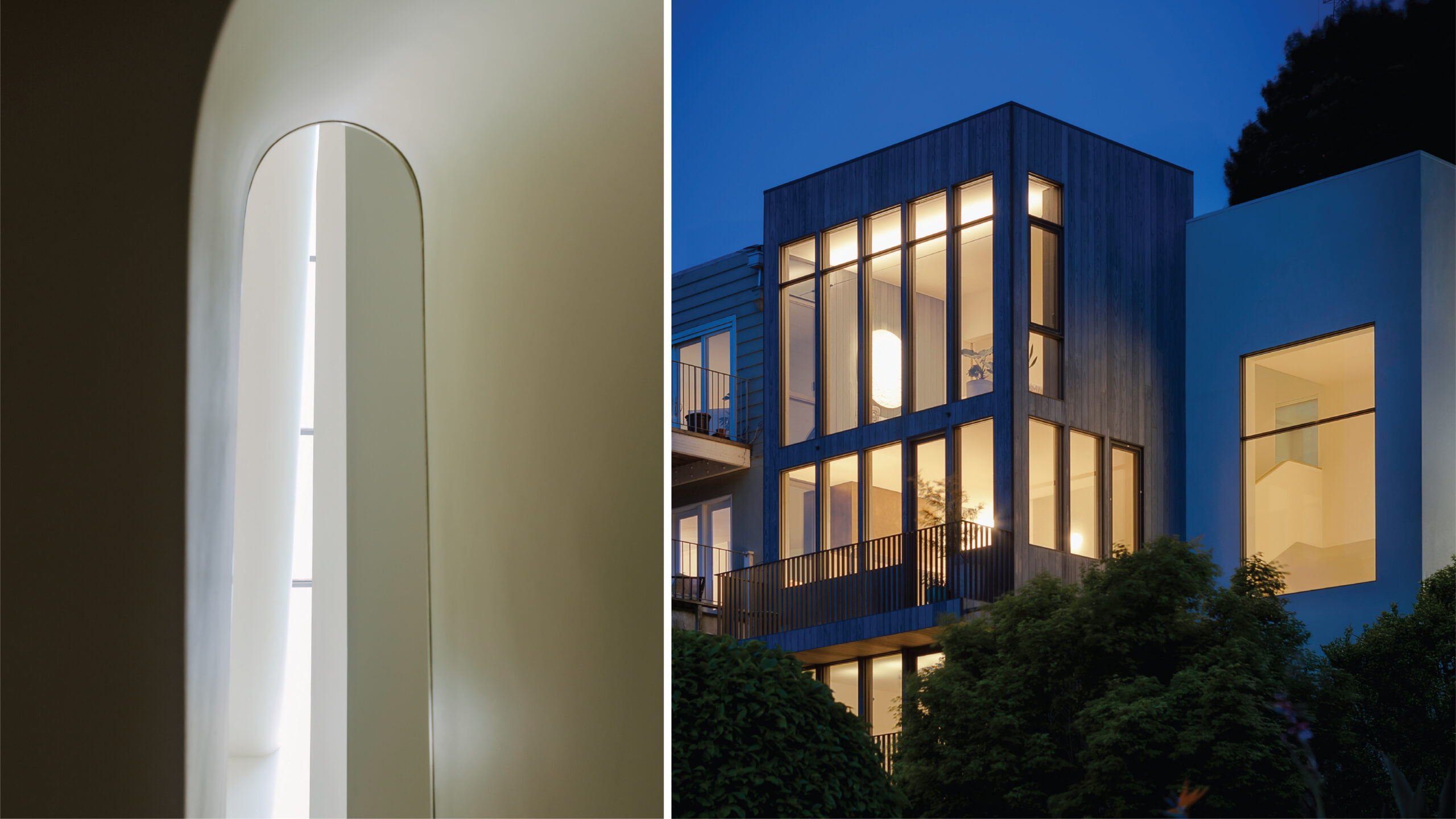
Architect Karen Curtiss’ client has seen a lot of homes. A real estate agent in San Francisco for over a decade, he estimates visiting more than 200 annually. Still, a hillside dwelling in Clarendon Heights that he helped his clients buy stood out, even several years on. So much that when those clients had to relocate to the East Coast, he and his husband snapped it up.
Referencing an airy Joseph Esherick-designed midcentury residence in Pacific Heights that embraces its landscape, the agent — who practiced architecture in a past career — “saw a vision where [this house] could be somewhat of a grandchild to that house,” he says.
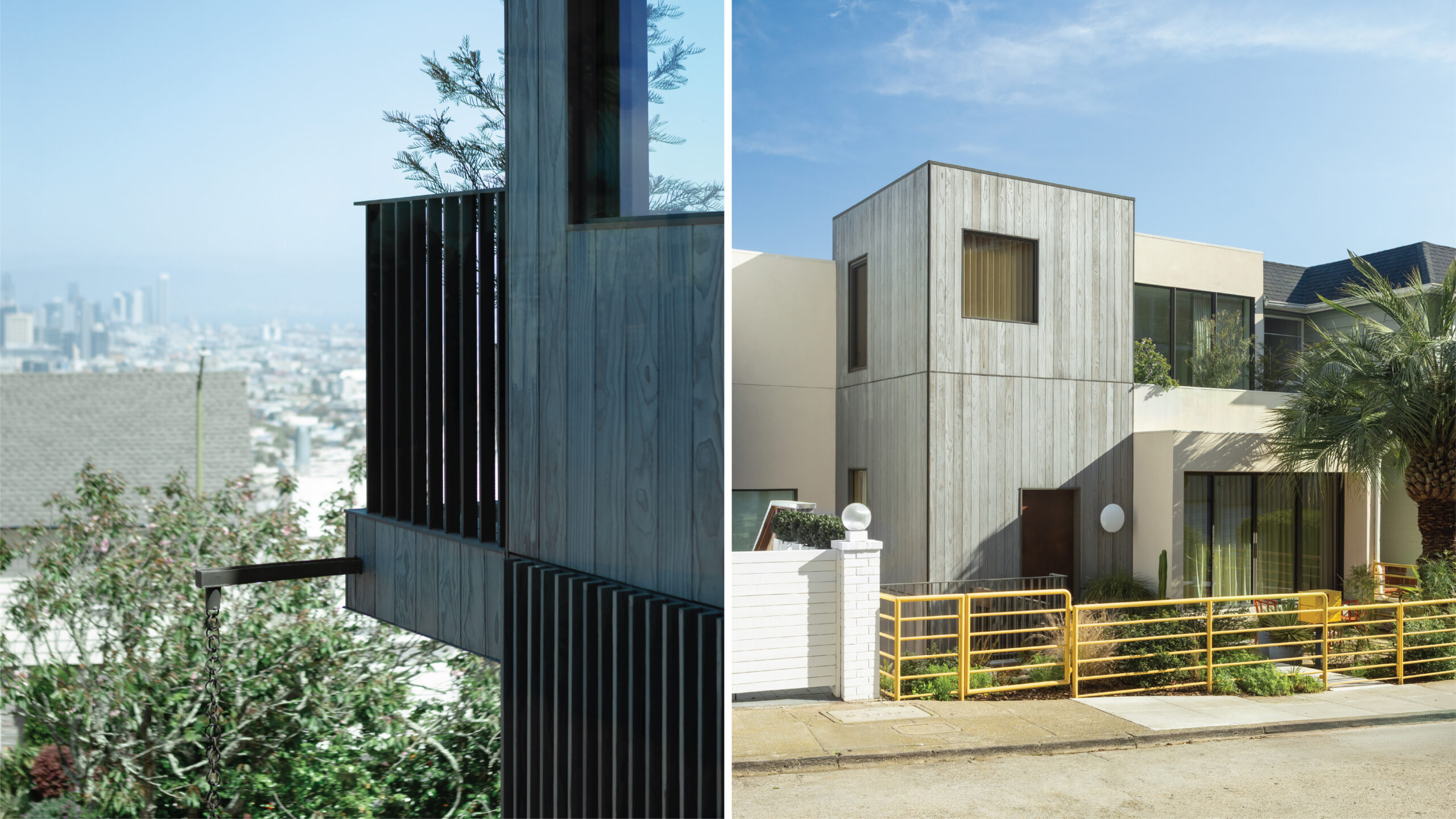
Curtiss was tapped to fulfill its potential. Before launching Red Dot Studio, she worked at EHDD, the firm founded by Esherick in 1946. And since the previous owner in Clarendon Heights had enlisted her for a renovation that didn’t come to fruition, in the current client’s words, “she had already spent a lot of mind space on it.” Furthermore, Curtiss once lived in that part of town.
“For me,” the client elaborates, “it is a lot about context and environment. She totally understood the movement of sunlight in that neighborhood, as well as the microclimate” — all critical to a home dubbed the Sundial House.
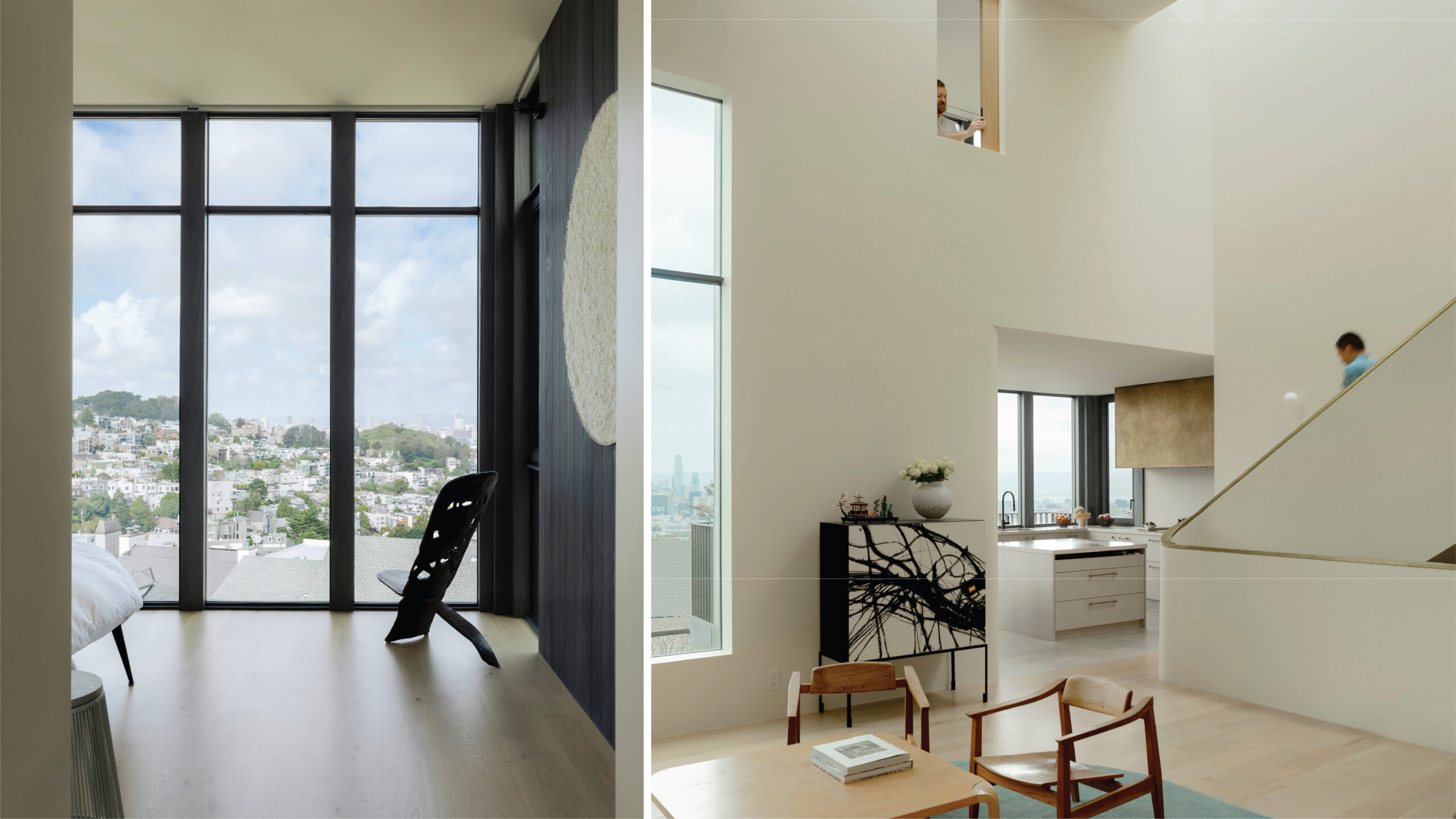
The homeowner also engaged firms he had professional experience with: FQ Designs for the interior architecture — including finishes, millwork and built-ins — and Oak Leaf Construction. Kathy Vuong, principal designer at the former, describes the client and his husband as “very family oriented. That bleeds into their style; it’s modern and effortless. We did a fairly neutral, warm palette.”
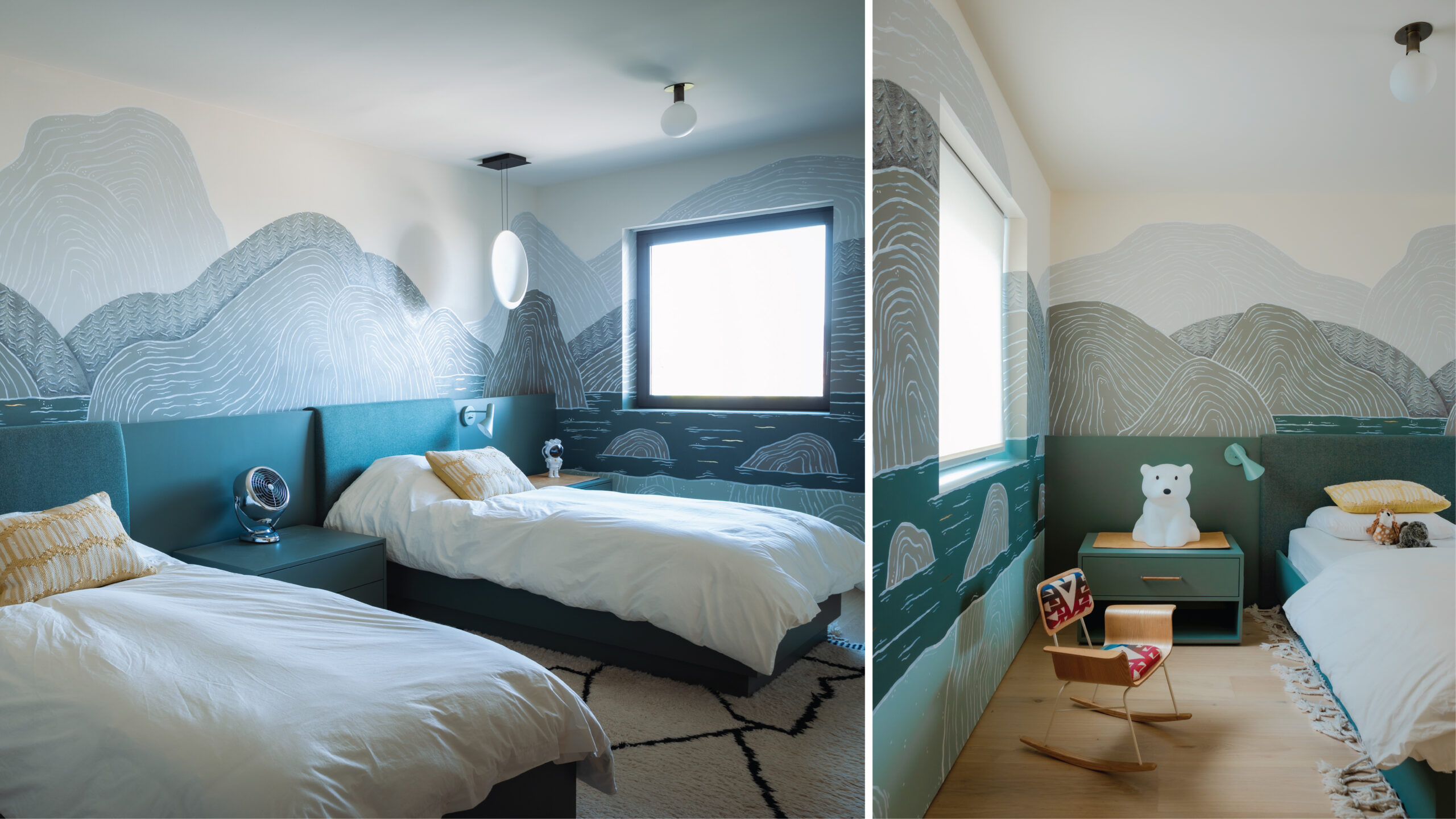
While Curtiss recalls the prior owner eyeing “a minor remodel,” the present owner — who has two children — intended an extensive transformation. After investigations for him revealed that the foundation required significant repairs, the scope further expanded.
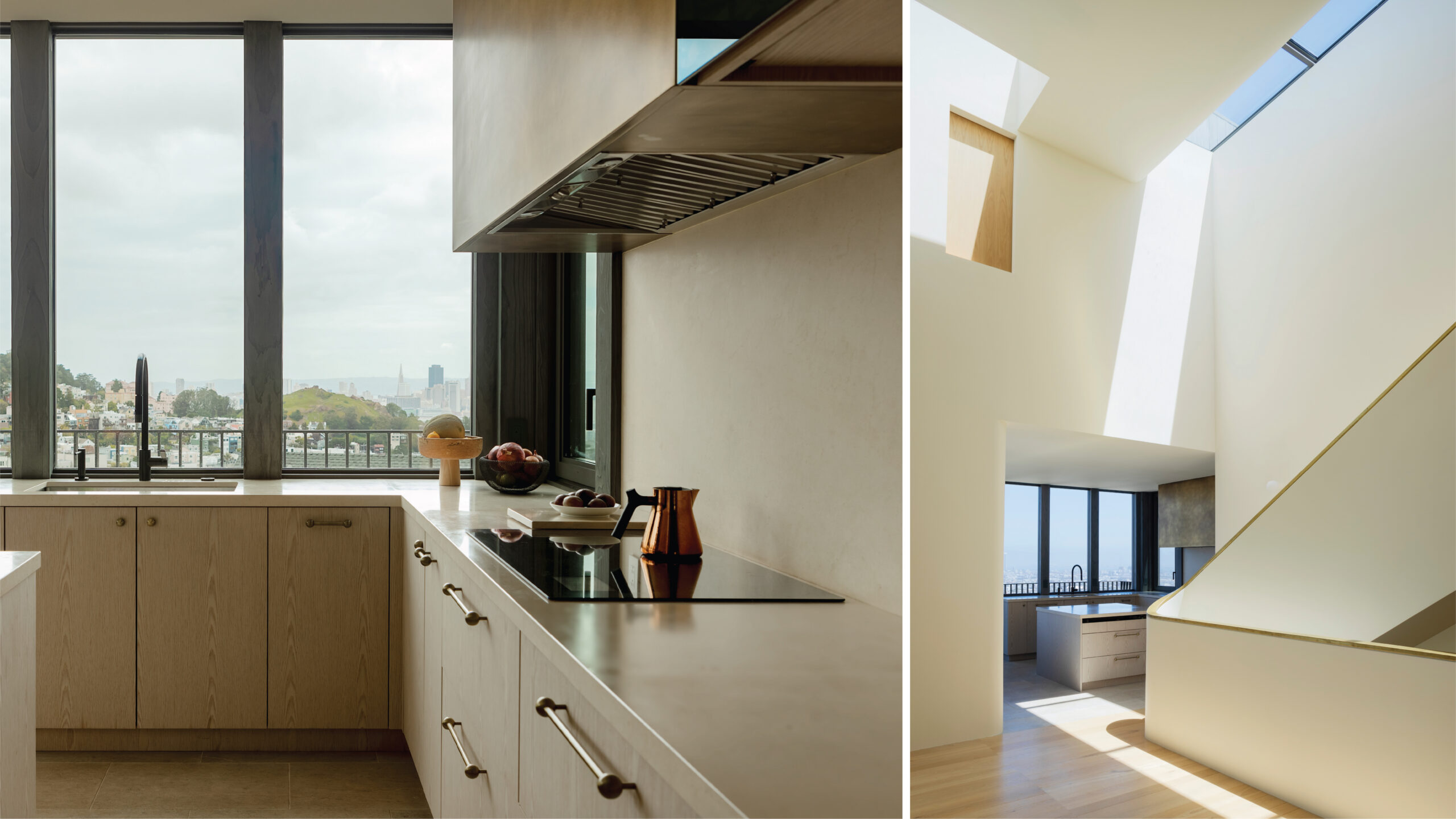
Among the key changes: the introduction of a double-height living room on the main level of the four-story structure; the reimagined staircase occupying the core mass that defines the home; the 20-foot expanse of skylights crowning the building; and increased square footage, with flexible venues to suit the needs of its inhabitants now and later. Sustainability was a priority, too, hence the solar panels on the roof and graywater system.
The client initially pictured positioning the living room at the back of the house, where the standard-height kitchen is today. Curtiss suggested making the 18-foot-high volume “more internal,” she says. “It’s not about the city seeing your double-height space; it’s about the daily ritual of moving through it as you go upstairs and down. And then the kitchen sticks out toward the city and the view. It makes the grandness a little quieter.” (The view encompasses downtown San Francisco, the bay and beyond.)
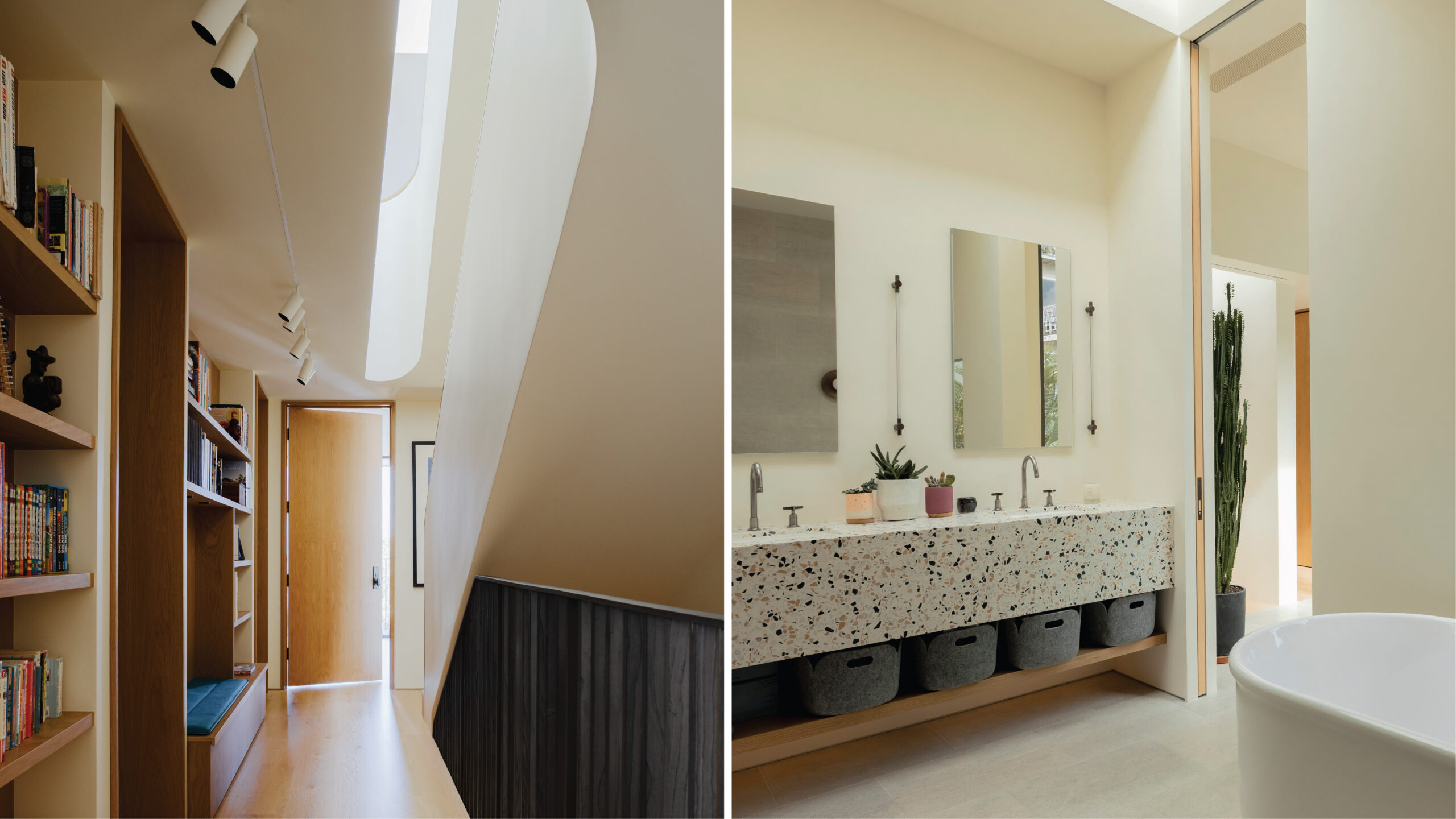
Curtiss also advocated for skylights; the client, having encountered leaky skylights in his line of work, was originally opposed to them. Fortunately, he came around. In Clarendon Heights, Curtiss explains, “Northern light can be lovely and soft, but alone it would not be enough to send light through the levels and the home would have been dark.” (The architectural lighting design by Tucci Lighting ensures layered illumination in the evening.)
Inspired by that Esherick gem a few miles away, the client desired a spiral staircase. Alas, there was no room for such, prompting a more linear design. Through conversations with Curtiss and Vuong, a striking focal point emerged. “We integrated curves into the stairs,” Curtiss says of the ribbon-like form. “We brought the curve into the overarching design, so it wasn’t a singular moment but almost began to define transitions.”
The staircase is capped in brass that will “take on new colors and variations as we run our hands over the railing,” the client says. “Living finishes” were chosen throughout “so that the patinas will age with us.” Similarly, the exterior is clad in a ReSawn Timber Co. material “meant to look like naturally grayed, aged wood,” Curtiss notes. “It will still change over time.”
For the client, the home’s unfolding narrative evokes old castles he toured in Italy. “There were indentations in the floor where chairs were going back and forth for centuries,” he recounts. “I love the stories that you conjure: ‘Oh, those marks represent a family 300 years ago that was defending their house with bows and arrows and hosting gatherings.’”
The Sundial House will hopefully hold its share of stories for generations. “Our older son already talks about wanting to buy it from us — and he’s 7 years old,” the client says. “This house is forever for us.”
Photos by Henry Gao