
Jason Langkammerer’s Wrightian fixer-upper commands a hilltop view

For Bay Area architect Jason Langkammerer, his design-build instincts run in the family. His father was an architect-contractor, and Langkammerer quickly learned what makes great design and how that translates into the built reality. His firm, AT6 Architecture + Design Build, which recently celebrated its 20th anniversary, is known for injecting a modern twist into historic properties, something evident in his own midcentury home.
Built in 1951, the now 4,073-square-foot, two-story house sits on nearly one acre in Lafayette’s Happy Valley, a pocket of idyllic suburbia with views overlooking the Berkeley Hills.

The Langkammerers moved from a 1912 Craftsman bungalow in Alameda in 2021, drawn in by the home’s story and location. “The layouts of the neighborhood north of the 24 get so much more organic than, say, the planned feel of Alameda, like it was developed over time,” he says.

Commissioned by police detective and court reporter John and Grace Smith, the house had not been revised much in its 70-year history, yet the intention was clear. The pool and circular pool building were added in the 1960s, followed by a dining room addition and detached garage in the 1980s. Frank Lloyd Wright protégé Aaron Greene was hired for landscaping and an addition, which ultimately went unbuilt. “They called the home Shangri-La,” he says. “We have a lot of documents and binders of photos from over the years.”
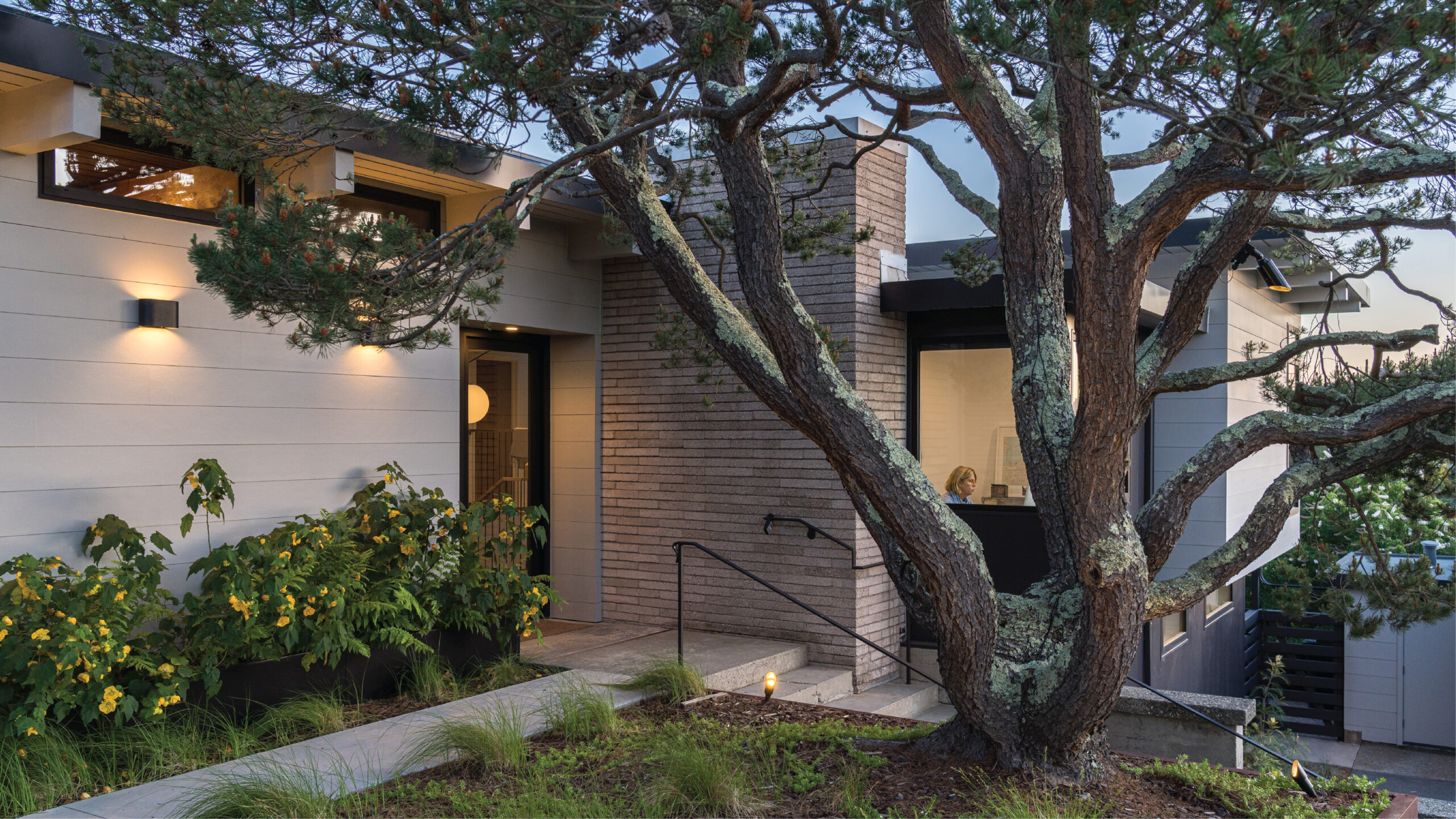
As you come up the drive, there is a sense of both opacity and transparency, with high windows on the primary bedroom and an airy backyard beyond. “Someone had this idea and played with it really well,” Langkammerer says.

But, it would need modernization. Pine-clad walls evoked a casual cabin feel over an elevated family home, the shower leaked in the primary bathroom, and the garage, which had been segmented into tight, low-ceilinged rooms, felt disconnected from the yard, as did a wraparound porch facing the Berkeley Hills.

“That side of the house we didn’t know what we were gonna do, but the core of the house felt very authentic to its time,” he says.
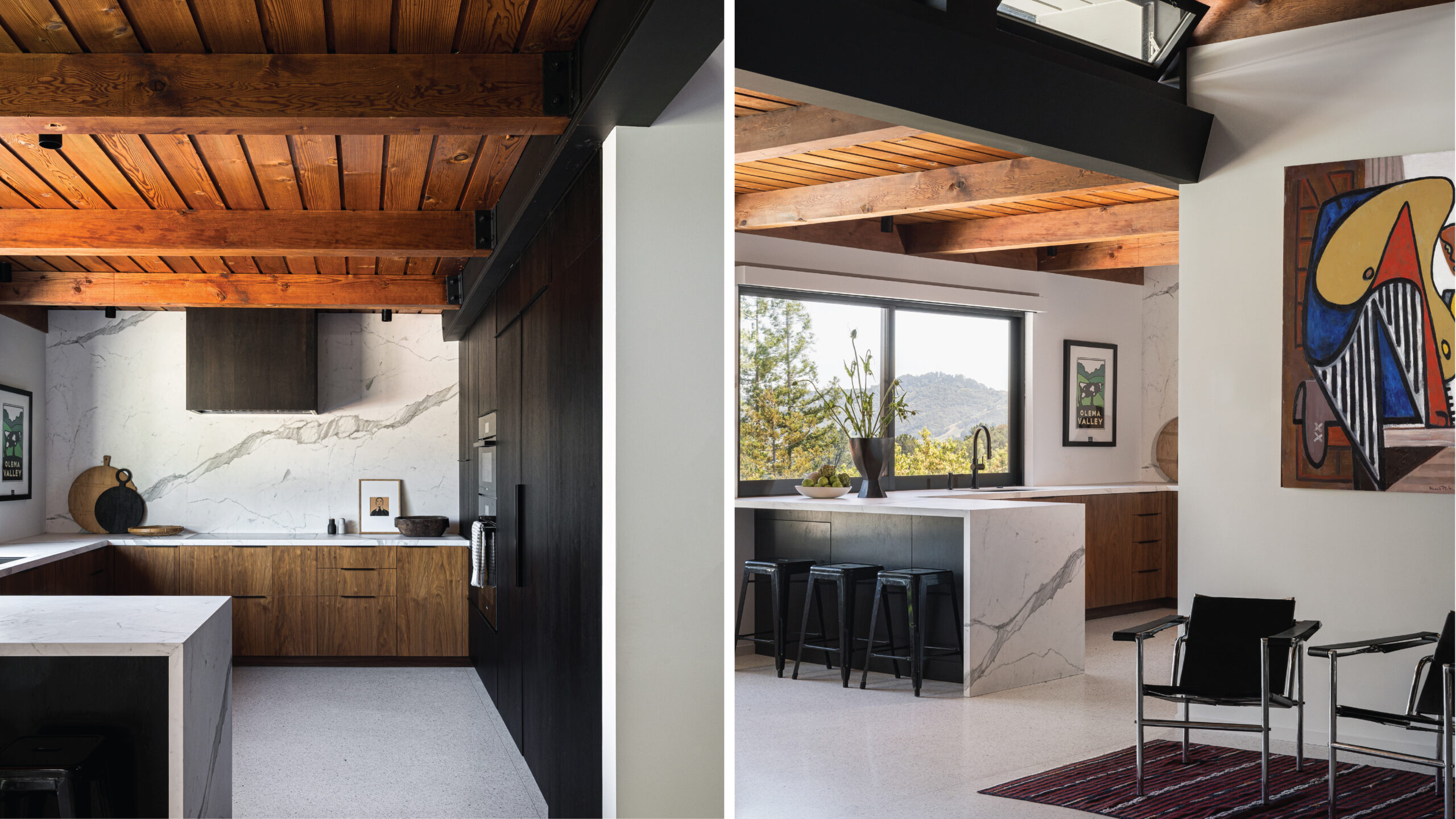
The goal: clarification. “The brick, the ceiling, and the terrazzo we did is the star,” he says. “Everything else is clean, like a gallery.”

The renovation, done with Mosswood Engineering, Arterra Landscape Architects, and GHS Landscaping, included a thorough remodel of the main common areas and primary suite, a complete teardown and rebuild of the two-story wing, and the enclosure of the wraparound porch. The latter added 600 square feet, bringing the home to a size more in line with its neighbors.
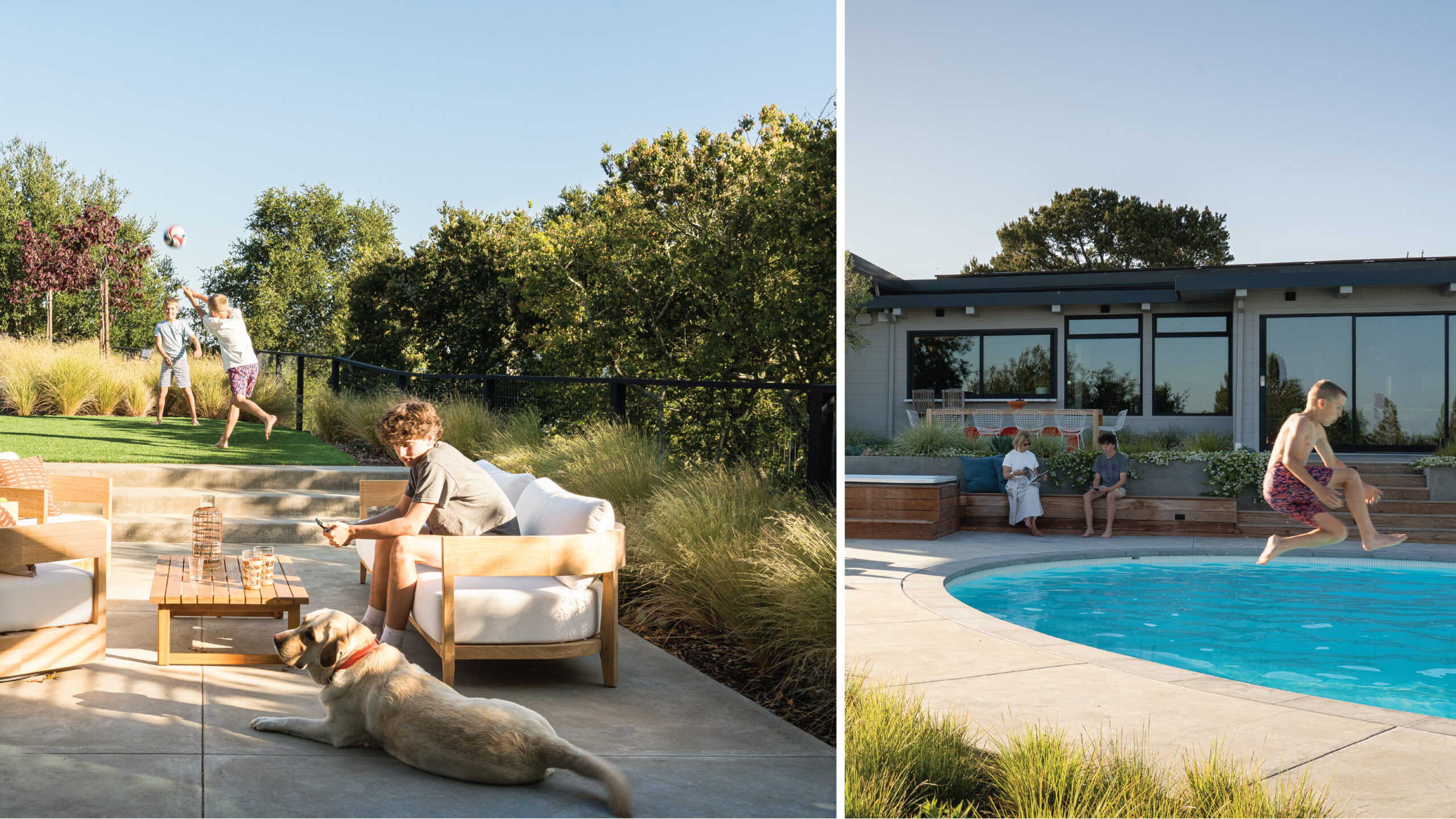
New plantings such as California poppy, yarrow, and forest pansy were part of landscape architect Gretchen Whittier’s strategy for landscaping with “a more native feel, as opposed to the Japanese theme of the original design. Trees were added to the patio to provide shade from the afternoon heat, she says.
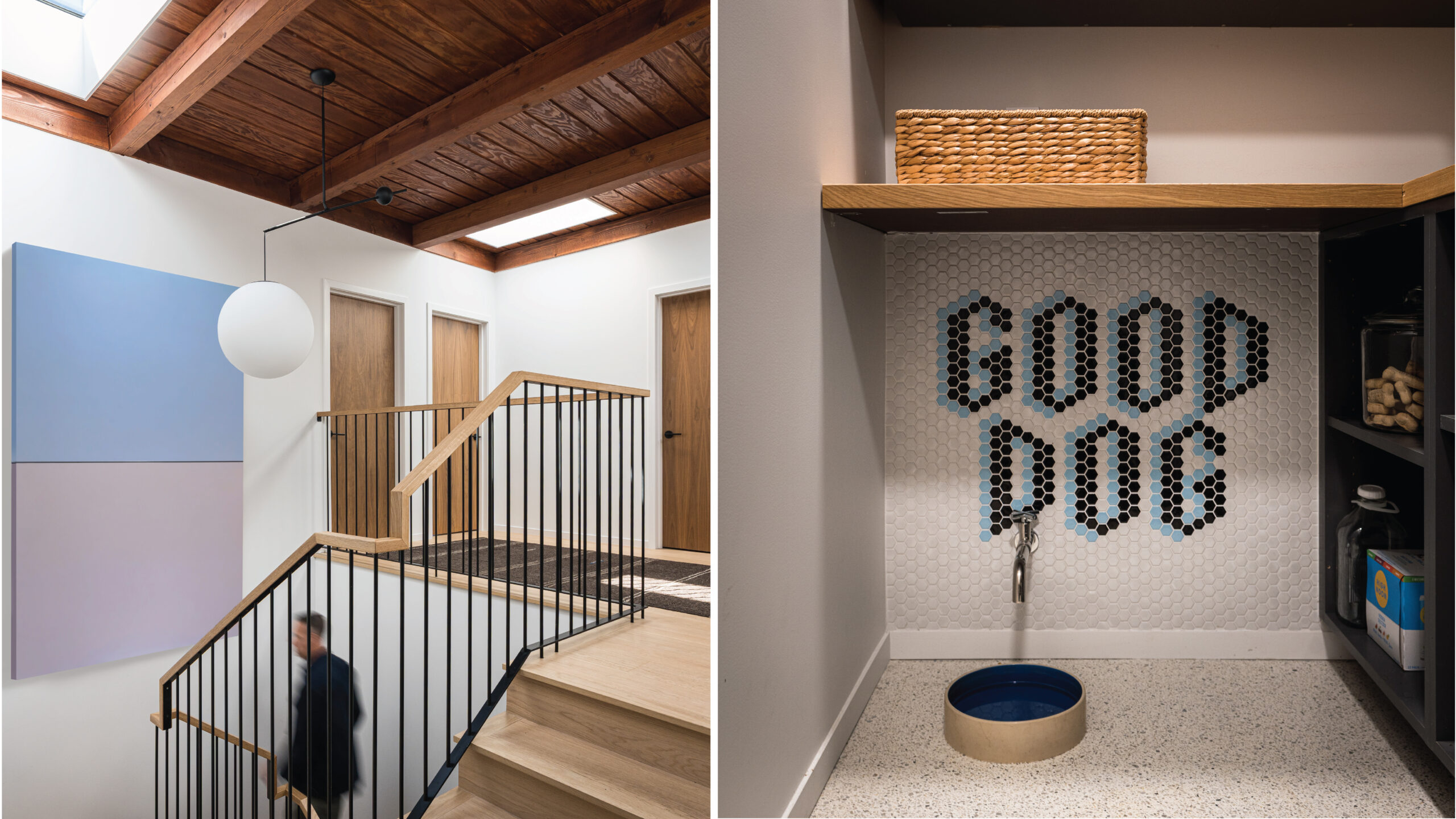
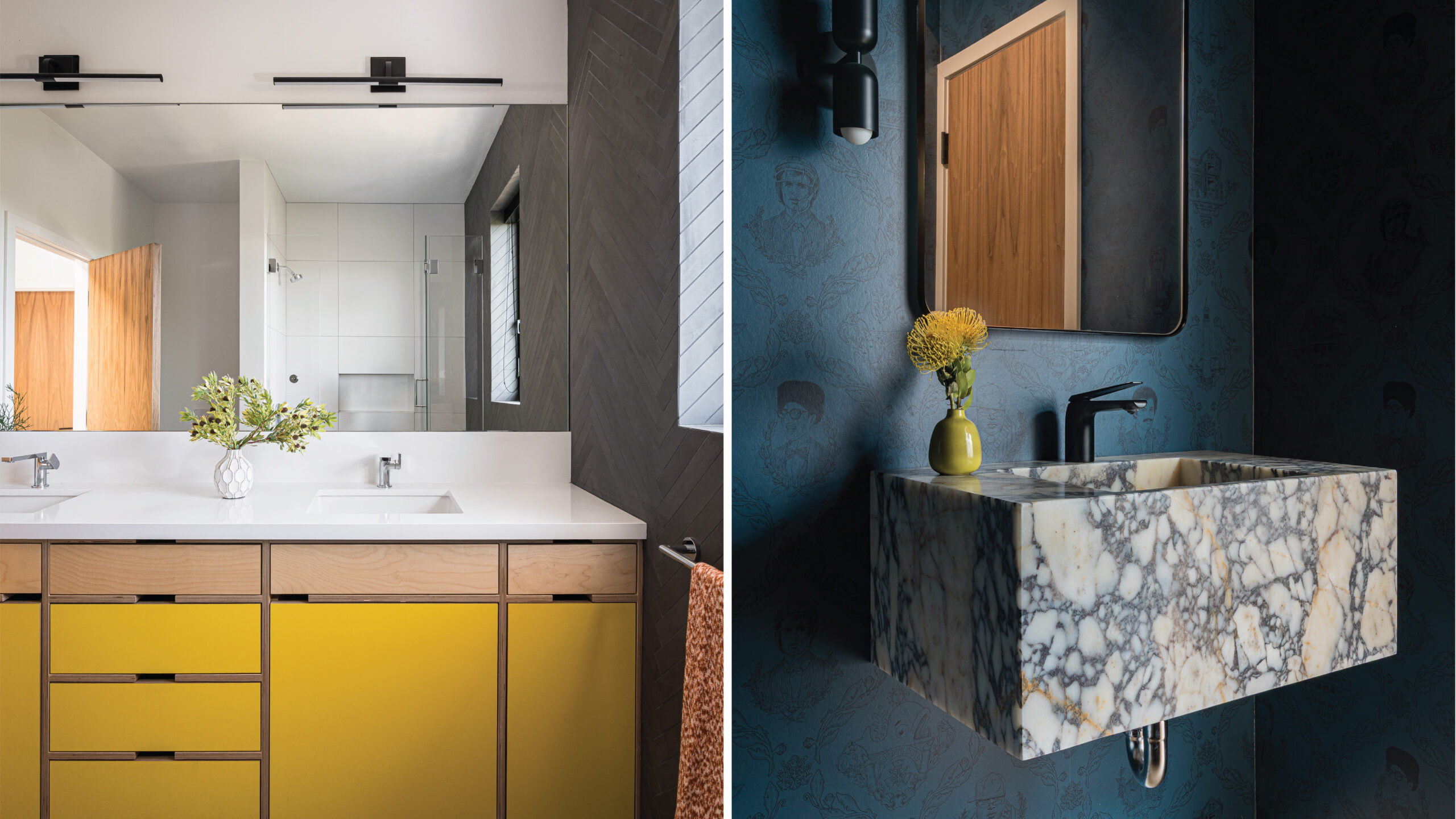
Inside, Langkammerer refurbished the existing wood beams and arched living room fireplace, a feature he calls “weird and wonderful,” while Flavor Paper’s Bay Area Toile wallpaper in the powder bathroom adds a playful note. It pairs with Henrybuilt/Space Theory kitchen cabinets and Fleetwood aluminum windows.
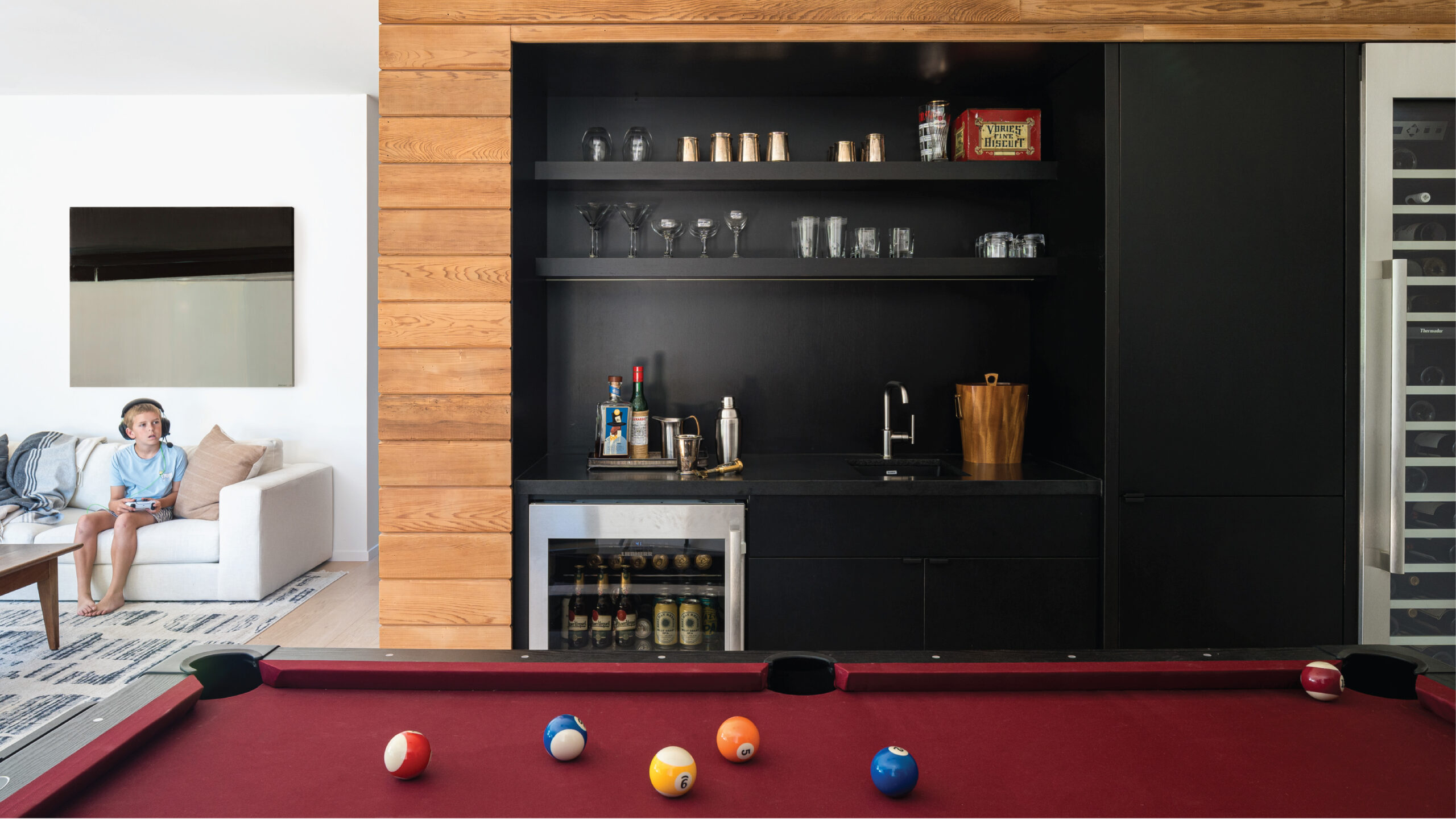
In lieu of taking a preservationist approach, Langkammerer’s work is about celebrating the fabric of buildings over time. “It’s a great example of what the 1951 cutting edge was,” he says. “And reading it through the lens of 2025.”
Photos by Adam Potts